As a fellow coach, I understand the importance of reaching and attracting high-ticket coaching clients. We all want to connect with individuals who are not only willing to invest in our services but are also genuinely committed to their personal and professional growth. In our digital age, it’s tempting to turn to popular social media platforms like Facebook and LinkedIn to advertise our coaching programs and attract potential clients.
There’s ads everywhere advising us to use ads. It’s tempting and can swallow your money quicker than the slot machines at the beachside pier.
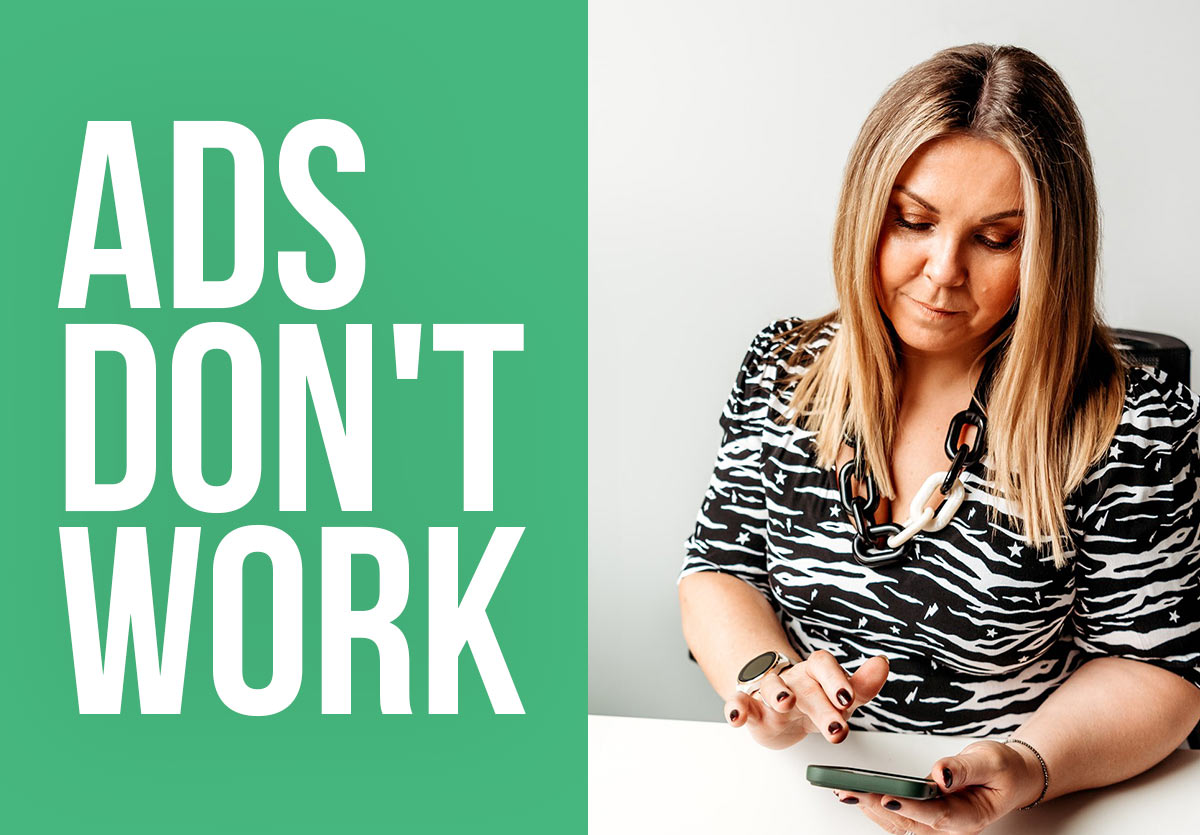
You might use ads to gather leads by putting out a free magnet, and for the most part that works. But thinking you can attract a client to purchase a £3k-£5k+ coaching programme with ads is flawed.
Let me share with you why it may not yield the desired results, and how it ties into the trust equation and the buying decision process.
When it comes to attracting high-ticket coaching clients, trust plays a vital role. I know this because my clients tell me over and over again. A client might take a punt on a £50 per hour life coach but they don’t take punts on £5k+ coaches.
The trust equation, developed by Charles H. Green, offers valuable insights into the factors that contribute to building trust in any professional relationship. When we break down each element of the trust equation and explore how it relates to the buying decision process you’ll see why.
Firstly, credibility is a crucial factor in building trust. While Facebook and LinkedIn ads can help establish your credibility to some extent by showcasing your expertise, they often fall short in providing a comprehensive view of your capabilities as a coach. Potential clients require more than just a quick ad impression to truly trust your abilities. Even a landing page full of social proof wont swing it. They want to see consistent, valuable content from you over time, demonstrating your knowledge and insights.
The second element of the trust equation is reliability. Clients need to believe that you will consistently deliver on your promises. Social media ads, though impactful in their own right, often lack the consistent visibility necessary to establish this reliability factor. When it comes to making a significant investment in coaching, clients want to feel assured that you are not just a one-time ad, but a coach who will be present and committed throughout their journey.
The third element is intimacy, which is crucial in coaching, as it involves a deep emotional connection. Facebook and LinkedIn ads may not provide the necessary space for fostering this intimacy. Clients often require time to observe, read, and engage with your content, sometimes for several months, before feeling comfortable enough to take the next step. By consistently providing authentic and valuable content, you can build a connection with potential clients and create an environment of trust and understanding.
Lastly, self-orientation refers to the focus on the client’s needs rather than your own. While ads can highlight the benefits of your coaching program, they often revolve around selling rather than genuinely understanding and addressing the unique challenges of potential clients. By taking the time to engage with your audience through valuable content and interactions, you can demonstrate your commitment to their success and showcase how your coaching program can truly solve their problems.
Research supports the significance of trust in the buying decision process for coaching services and my experience agrees. Clients seek coaches who understand their needs, empathise with their challenges, and have a proven track record of success. Authenticity, consistency, and a deep understanding of the client’s emotional journey are essential in establishing this trust.
One thing I did early was establish a great coaching programme that effectively solves client’s problems. I’ve found this to be a significant factor in their decision-making process. My Stop Being Stuck programme is now taught in the ILM and ACCPH certified Advanced Practitioner Course. It has provided remarkable results for my clients and mow other coaches are learning how to deliver it.
When potential clients see the tangible outcomes and positive testimonials, they become more inclined to invest in your coaching services.
While Facebook and LinkedIn ads can be useful tools in your marketing strategy, they may not be sufficient on their own to attract high-ticket coaching clients. Building trust through the credibility, reliability, intimacy, and self-orientation elements of the trust equation is crucial. Remember that coaching is not just a logical decision; it is an emotive purchase. By consistently providing authentic and valuable content, understanding the client’s needs, and showcasing the effectiveness of your coaching programme, you can establish trust and attract clients